
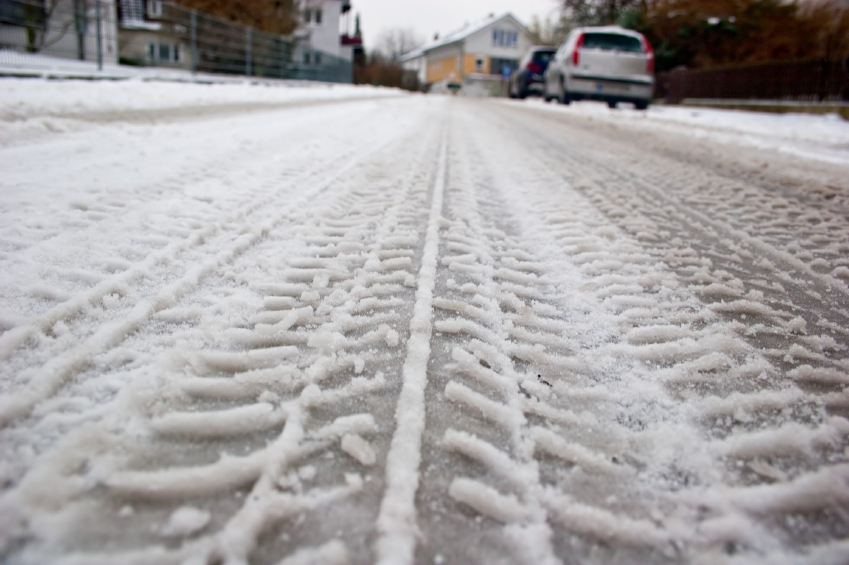
Each winter, millions of tons of de-icing salt are applied to state and municipal roads to keep them safe for vehicles to travel. Salt is spread near houses to avoid pedestrian injuries. This is necessary for safety, but did you know excessive salt can cause widespread damage to trees – possibly leading to permanent decline and even death?
According to the Tree Care Industry Association (TCIA), a non-profit organization dedicated to the tree care industry, even severe salt damage might not be visible on a tree until the end of summer, leaving homeowners wondering what might have caused the problem. In some cases, decline might not be visible for years.
“Salt deposits migrate to the stems, buds and roots of trees,” explains Tchukki Andersen, BCMA, CTSP*, staff arborist with TCIA. “This causes disfigured foliage, stunted growth and severe decline in tree health. Salt runoff washes from pavement into the ground, increasing salt levels in the soil.”
There are steps you can take to ward off tree damage from salt. TCIA recommends taking the following measures:
- Avoid use of de-icing salt unless necessary. Mix salt with abrasives such as sand, cinders and ash.
- Use alternative de-icing salts such as calcium chloride and calcium magnesium acetate.
- Improve drainage of soils. Add organic matter such as activated charcoal or gypsum, and thoroughly leach salt residues from the soil.
- Erect barriers between pavement and plants.
- Plant trees in locations away from any type of salt spray.
- Plant salt-resistant trees in areas where high salt spray is inevitable, i.e. near walkways, driveways or roads.
- Provide adequate irrigation and mulching to reduce water loss.
- Prune properly and add fertilizers to correct nutrient deficiency as indicated in spring soil testing.
- Control tree damaging diseases and pest infestations
An easy way to find a tree care service provider in your area is to use the Find Qualified Tree Care program. You can use this service by calling 1-800-733-2622 or by doing a ZIP code search at www.treecaretips.org.